

What this assessment covers
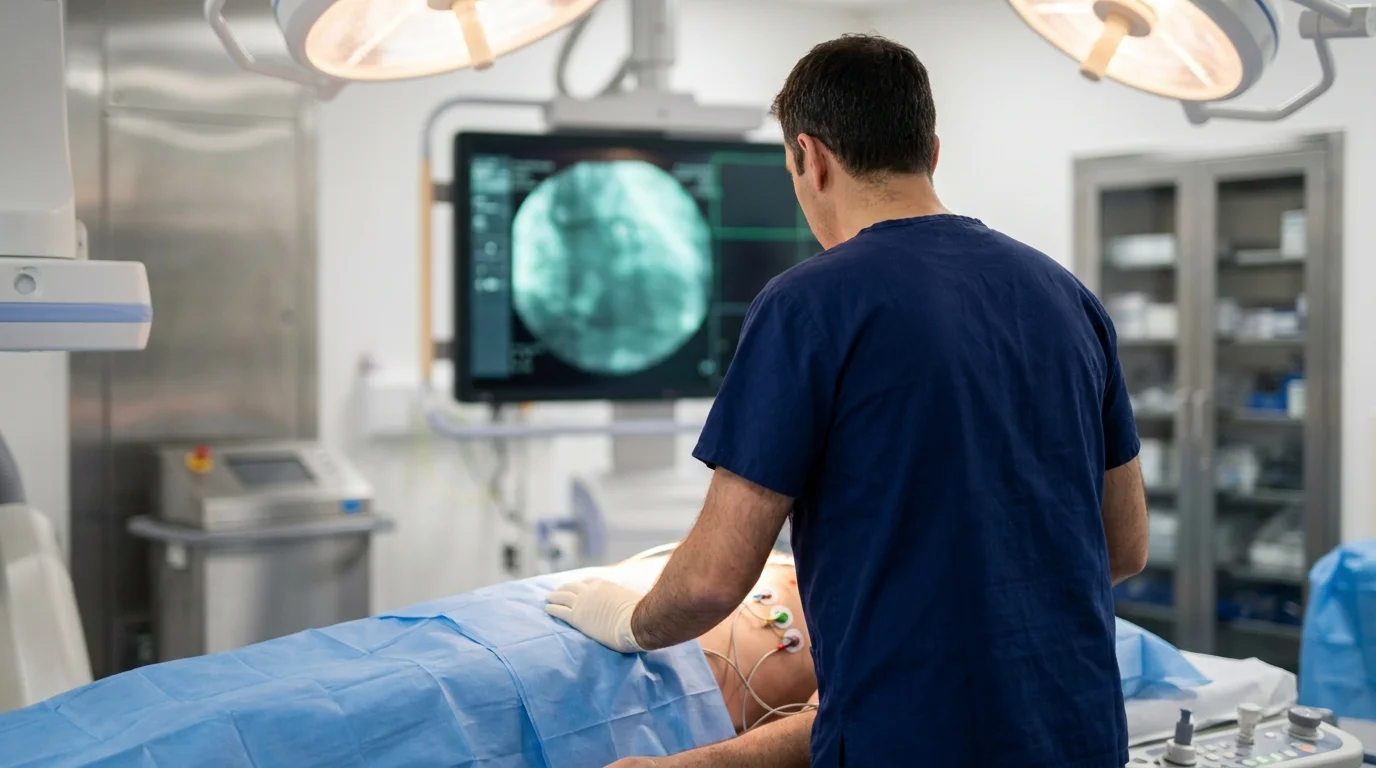
A permanent pacemaker is a small device implanted under the skin to regulate a heart rate that is too slow or pauses unexpectedly. Dr Islam assesses patients with symptomatic bradycardia, heart block, sick sinus syndrome, and syncope, and performs single- and dual-chamber pacemaker implantation at accredited facilities in Berkshire.
The pre-implantation consultation confirms the diagnosis, explains the procedure and device options, and addresses patient concerns. Following implantation, Dr Islam provides structured device follow-up to check pacemaker function, sensing, and pacing thresholds.
- Diagnostic assessment for symptomatic bradycardia, heart block, and syncope.
- Selection of appropriate pacemaker device and pacing mode for individual patient needs.
- Pacemaker implantation at accredited facilities in Reading, Berkshire.
- Post-implantation device check and structured follow-up to optimise pacing parameters.
Treatment FAQ
Common questions
What happens during this consultation?
Dr Islam will review your ECGs, ambulatory monitoring results, and symptoms to confirm whether a pacemaker is indicated. The procedure, device types, and implantation process are explained in full, with time for questions before any decision is made.
Will I need tests after the appointment?
A 24-hour ECG monitor, prolonged event recorder, or tilt-table test may be arranged before implantation to confirm the diagnosis. A pre-procedure echocardiogram and blood tests are also routinely performed.
Can this be reviewed as part of ongoing care?
Yes. Pacemaker follow-up is essential. Dr Islam provides regular device check appointments typically at 6 weeks post-implant and annually thereafter to review device function, battery longevity, and pacing parameters.